I just finished another busy week and haven’t had time to research and write any of my usual blog posts, so I thought I’d write another one about stuff I’m currently doing. A large part of my job is running field trips at Pioneer Village for Osceola History. Here’s a taste of what that involves.
Students and adults who take part in a field trip all receive a backpack with various promotional items and things to be used during the field trip.
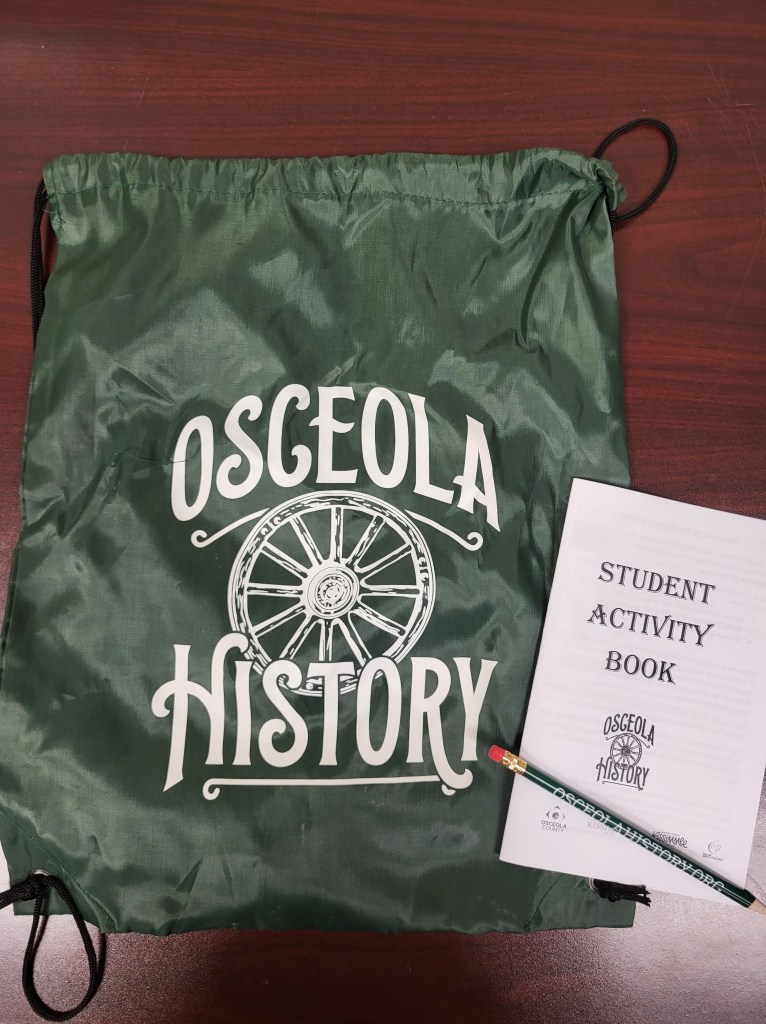
The activity book shown above is really a scavenger hunt across our 10-acre property. There are 37 buildings or interpretive signs that are referenced in the book. Students look for pictures, objects, and read text to find answers to the items in the book. Answers involve writing down names, drawing diagrams, matching lists of information, etc. It is written to be accessible to 3rd or 4th graders, but all ages can complete it. I have 2 different books with either more or less information to find. I also have a pre-reader (or non-reader) booklet that is a series of photographs of objects to be found in each of our buildings.
The scavenger hunt is only one of the activities I use. I also set up about a dozen “hands-on” activity stations. These are games or chores which are reminiscent of things done in “pioneer days”.
Games
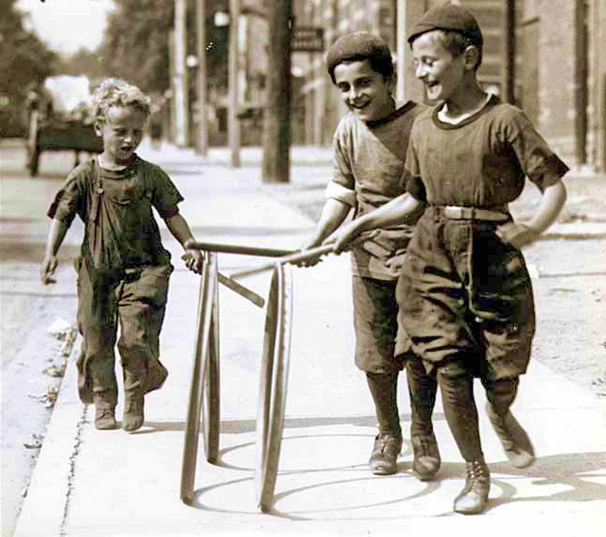
Outside the schoolhouse, students engage in two “recess” games. One is hoop rolling. Using a stick and a large wooden hoop, students try to roll the hoop along the ground without it falling over. It’s harder than it looks!
They also get to try out the old burlap sack race.

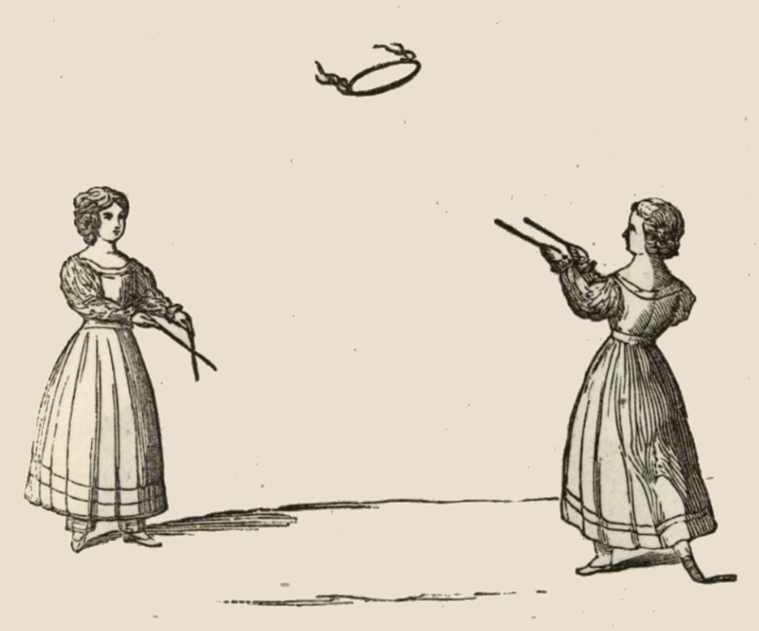
I also have some yard games next to a couple of the houses that represent how folks found outdoor entertainment at social gatherings. One game is called Graces, in which two players each use a pair of sticks to toss a hoop through the air and catch it.
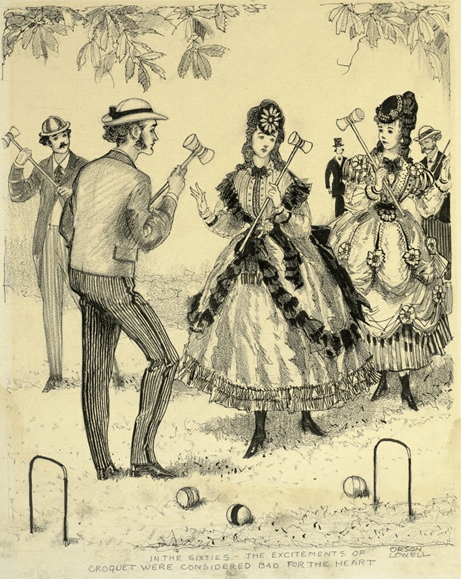
Another game which was popular is croquet. I do a modified setup and encourage players to hit the wooden balls through several wickets and back to the starting point.
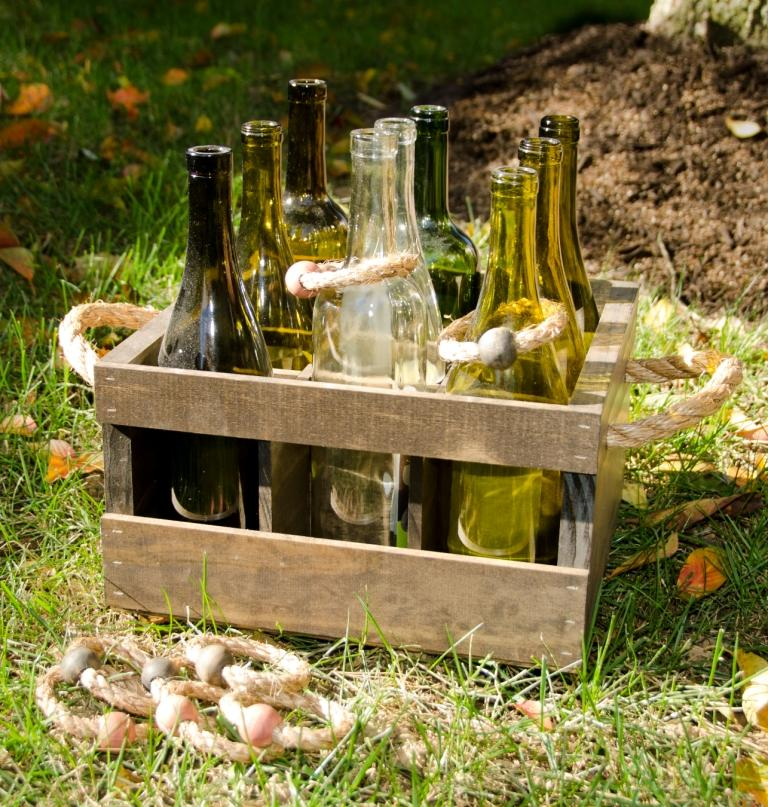
One final game is a ring toss game using old wine bottles and twine covered bamboo rings.
Chores
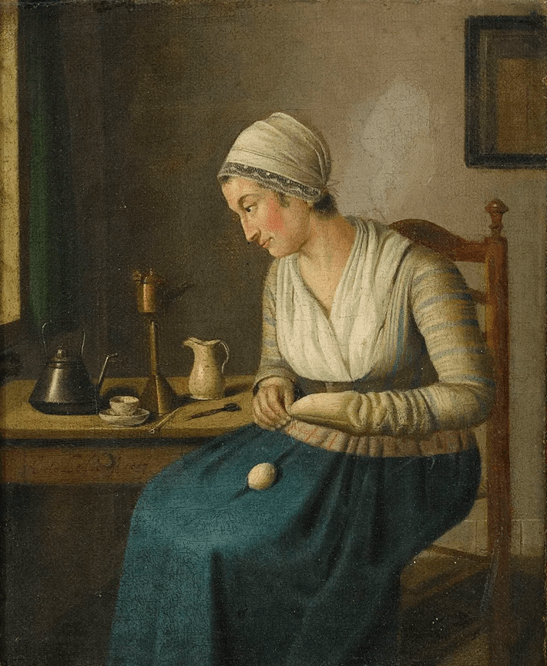
There are several “chores” that students engage in. One of the most popular ones is darning socks. I did this for field trips in Nevada and have re-created the activity here as well. Students use a plastic needle (simulating a carved bone needle) and yarn to stitch up holes in socks. I periodically rip out the stitching to re-use the socks.
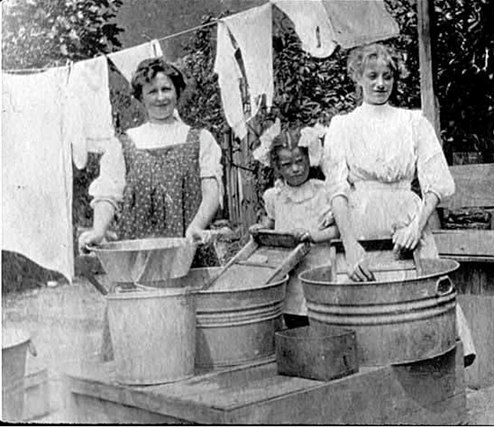
Students also enjoy doing laundry. They have a tub of water and a washboard to use. They wet the clothes, scrub them, wring them out, and then hang them over the fence to dry.
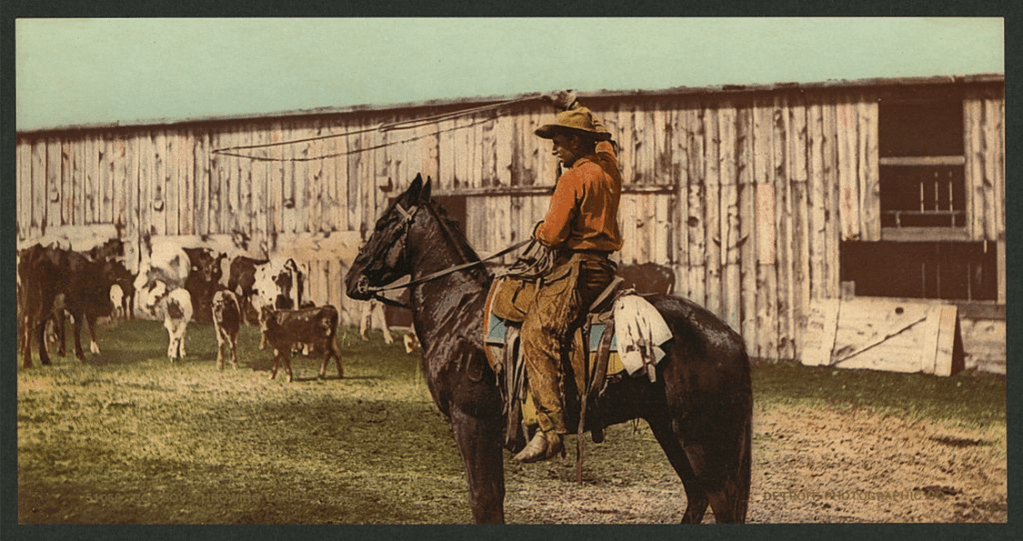
I have a bull made from a sawhorse covered with sloth and fitted with a plastic head. Students try their hand at throwing a lariat over the bull’s head to lasso it.
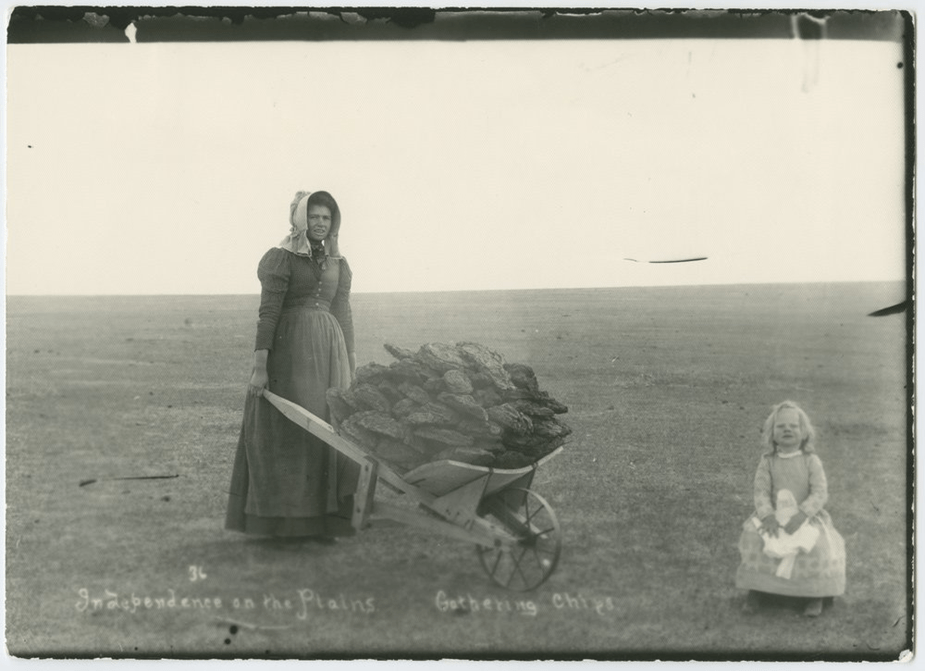
Students also pick up cow pies (patties, chips, … whichever name you prefer). This is also adapted from the field trips I did in Nevada. I talk about using pioneers using cow chips for fertilizer, fuel for fires, and for entertainment via “cow chip chucking” contests. Students gather the plastic frisbee-shaped chips and chuck them into baskets or across the field.
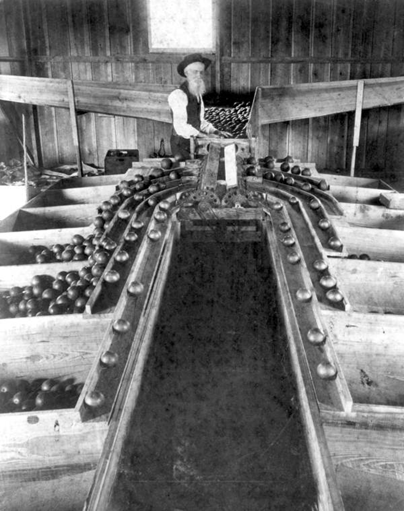
Students also explore how oranges were sorted mechanically by rolling oranges through a gravity fed antique orange sorter that allows the (plastic) oranges to sort according to size and drop into containers.
Skills
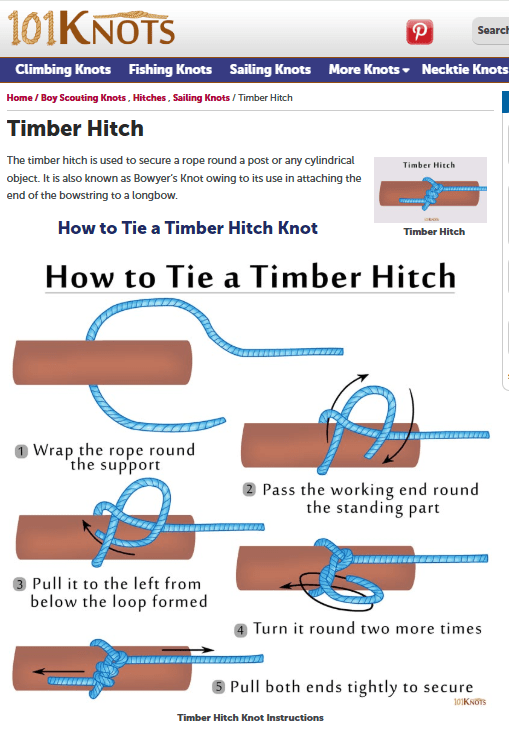
A few other activities represent skills that pioneers might have used. One is simply tying knots in ropes. I use several knot instructions from the 101Knots.com website. Students find various knot instructions next to ropes attached to fence rails.
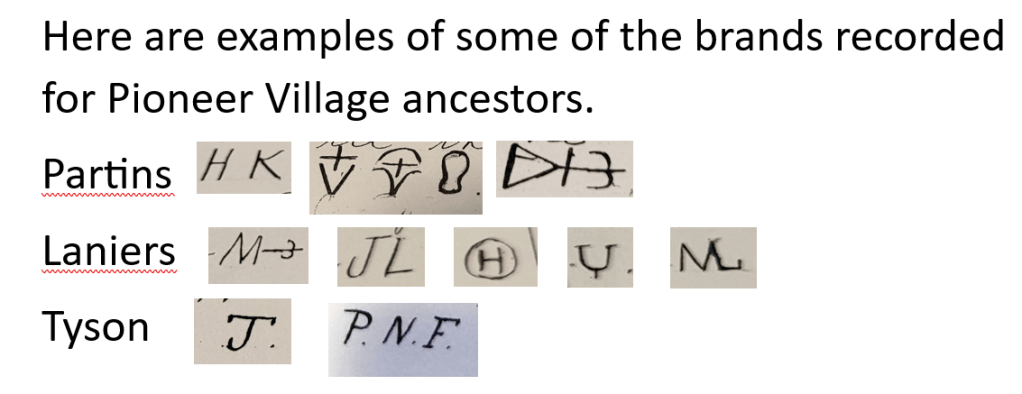
Another skill involves designing a cow brand from a few pipe cleaners. Students are provided with examples of brands used by some of the families represented in our village.
I also have a nod to the Seminole arts using beads and twine. Students have the opportunity to make either a beaded bracelet, or a beaded alligator. I use these options at different times through the season.


As students explore the village and do the activities provided, I also often have volunteers who dress in costume and provide some “living history” for the buildings. I always appreciate their contributions in adding to this experience. We have picnic tables or a screened pavilion in which groups can have their lunch.
The field trip usually lasts 2 to 3 hours and we host approximately 1500 students and chaperones in a given year. Each field trip requires about an hour and a half setup beforehand, and about an hour and a half tear down afterwards. And that, folks, is a description of a large part of my job!
 The Watchmaker's Pulse