A few weeks ago I wrote the second part of a description of Pioneer Village at Shingle Creek. I talked about how the village is in some ways a representation of the pioneer community of Narcoossee. In this final installment, I’ll discuss the rest of the buildings in the Village that are from other parts of central Florida.
The entry building (seen from the rear in the photo below) is an original ranch house from the Partin cattle ranch, located between Lake Tohopekaliga and East Lake Tohopekaliga. The ranch was established by Henry O. Partin and in the 1950s was the largest cattle ranch east of the Mississippi River.

Cattle ranching in central Florida was open-range ranching during the 19th century and first half of the 20th century. The cattle which were first raised and ranched were descendants of cattle left to roam the swamps by the Spanish explorers. Cattle would be rounded up and branded to establish ownership and then set free to wander and fatten up. Then, at market time, ranchers would send out their cowmen to seek out the cattle and drive them in to the rail or ship yards.
Cowmen would often spend weeks searching the open ranges for cows, cracking their whips to signal one another and to startle the cows into revealing their locations. It is these whip cracks that gave the Florida cowmen their nicknames of Crackers. Multiple ranchers would work together to bring their cattle in, and often cowmen would construct “cow camps” a days ride along the trail at which they would spend the night cooking, mending, and sleeping. The cow camp below is located at Pioneer Village.

Another house at the Village is the Lanier residence. The Lanier’s were also cracker cowmen who successfully raised large herds of cattle. Their property is located in the area now known as Poinciana. The descendants of the family donated the typical Cracker house with its signature “dog trot” construction.

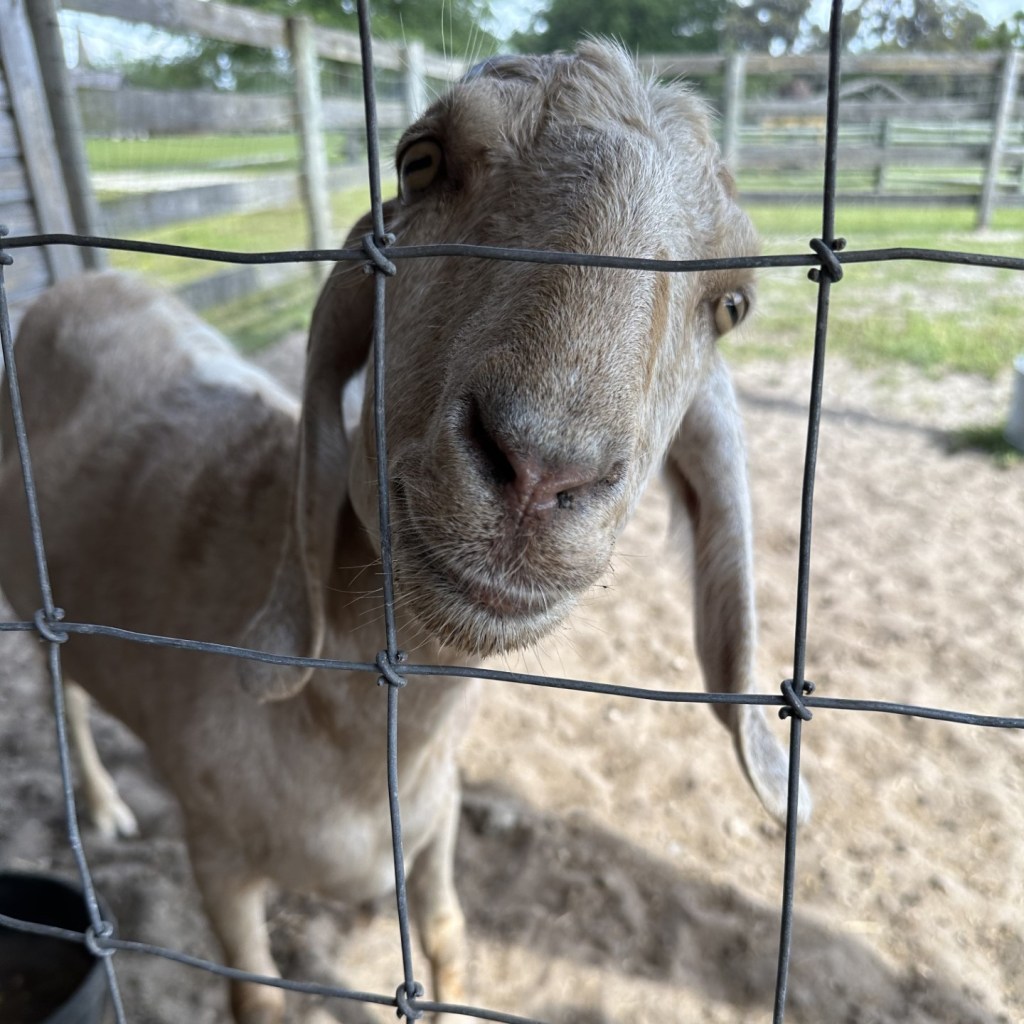
In addition to the house, you can visit a barn (which actually came from the Partin ranch), visit our goats and chickens, and view a sugar mill yard and cooking station.

The final structures that I’ll mention are the Seminole Chickees.

These open, thatched-roof structures are typical of the style used by the Seminole natives who sought shelter in the swamps. The structures sometimes had elevated floors for sleeping and working, but others did not. During our annual re-enactment weekend (this year it will be November 2nd) you can see native interpreters demonstrating Seminole wares and lifestyles.

 The Watchmaker's Pulse
2 thoughts on “Pioneer Village – Part 3”